
From the Reader Trenches: The Pocket Books of WWII

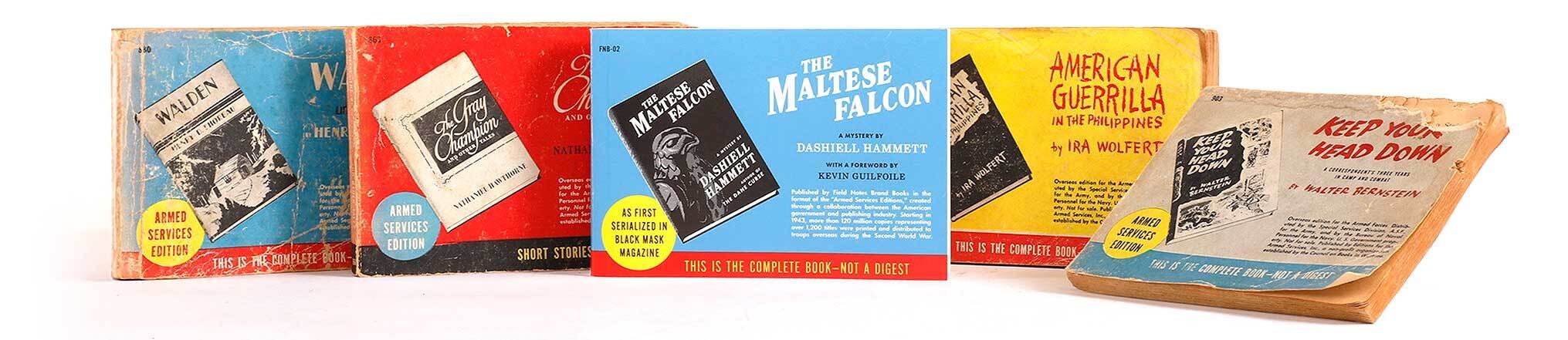
In this case, the trenches are literal, and the books are collectors’ items. In 1943, to do their bit for the war effort, America’s publishers, booksellers, writers and librarians came together to design and distribute paperback versions of popular and classic books, sized to fit in service members’ pockets and rucksacks.
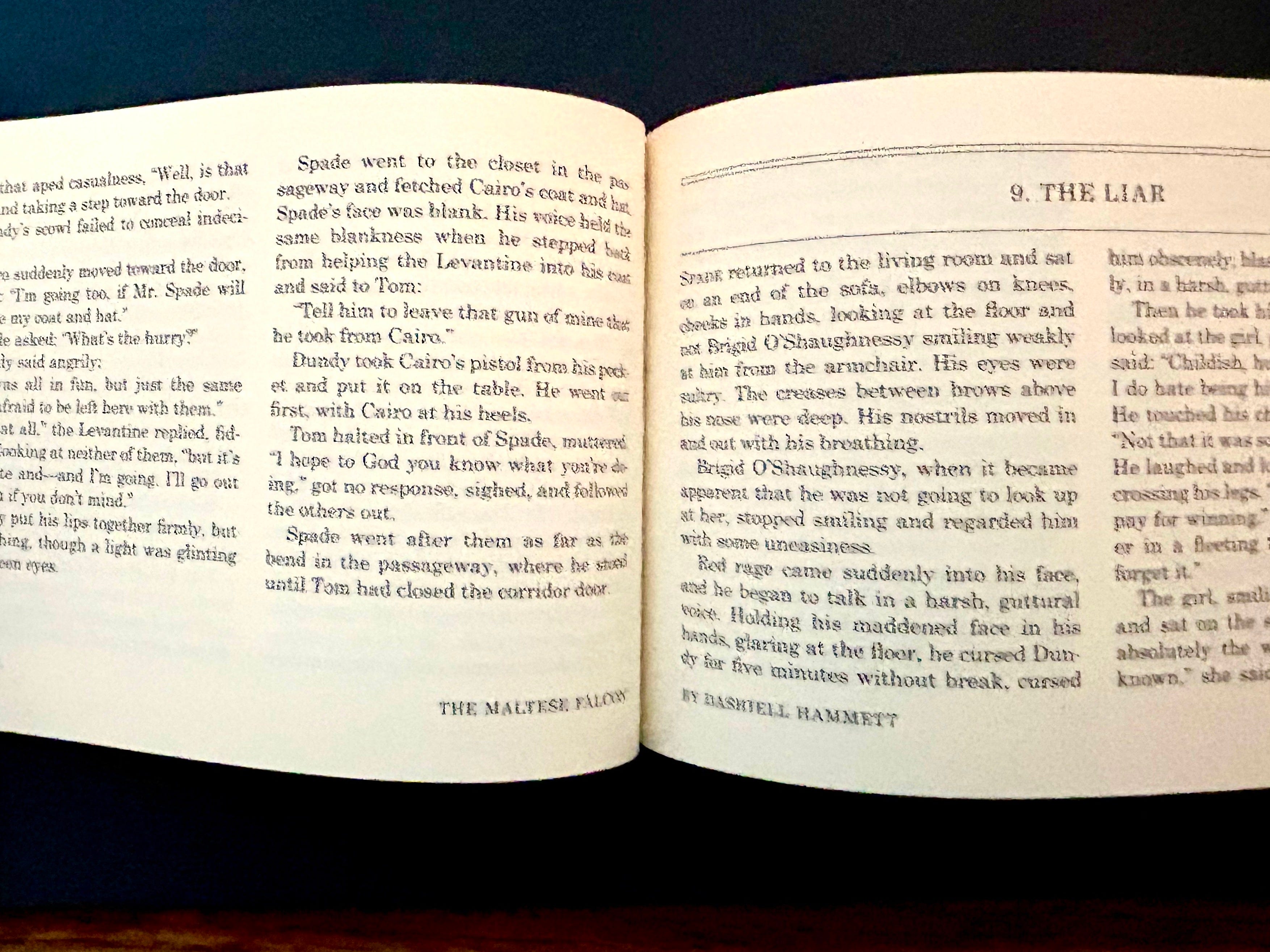
These Armed Services Editions measured a mere 3.75 inches tall and 5.50 inches wide, but were not abridged (with a few exceptions). To accomplish this feat, two columns were fit onto each page.
Works included everything from contemporary Westerns to Greek classics, pulp novels to epic poetry. Zane Grey, Shakespeare, Plato, F. Scott Fitzgerald, Dorothy Sayers, James Gunn and Emily Barrett Browning were just a few authors among hundreds featured in the collection. Surprisingly, one of the most popular titles was Betty Smith's 1943 A Tree Grows in Brooklyn, a poor girl's coming of age story. Fitzgerald's Roaring Twenties tale The Great Gatsby also was a hit with the troops.
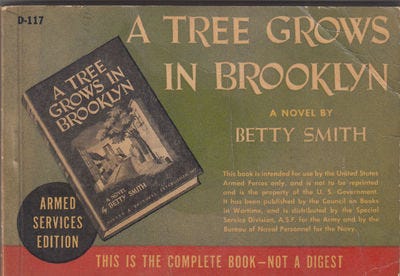
In printing these pocket books, the Council on Books in Wartime, as the publishing effort was known, saw an opportunity not only to provide needed entertainment and distraction, but to expose service members from all walks of life to the pleasures of reading as well. The paperbacks were incredibly well-received, with many carried about and read and reread until they fell apart. Originals from the period are a rare find and fetch a high price. The sale price of the above copy of A Tree Grows in Brooklyn, for example, was almost $800.
By 1947, according to the Library of Congress, the Council had produced 122 million paperbacks for free distribution to U.S. service members in all theaters of the war. In the current age of pocket-sized phones and computers small enough to fit in a watch or ring, doesn’t it make sense to bring back these economical, handy pocket books?